Fed Dot Plot May Fade: Warsh's Debut Signals Possible Rate Hike
The Federal Reserve's quarterly "dot plot" of interest rate forecasts may soon lose its last rate-cut signal, and the entire chart itself could be scrapped. By then, markets will have to judge whether new Fed Chair Kevin Warsh is indeed an inflation hawk as he previously claimed.
Warsh is busy clarifying his stance and listening to staff ahead of his first policy meeting later this month. Any guidance gleaned from the policy direction will hardly give a simple answer.
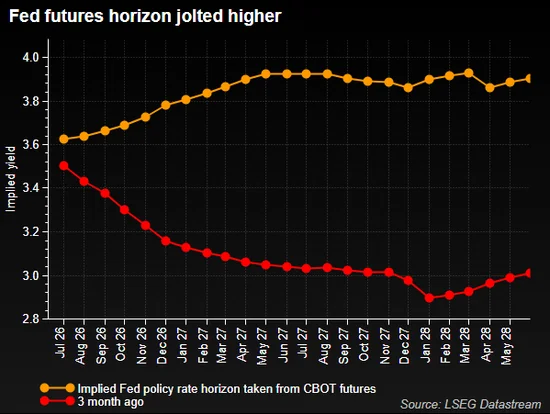
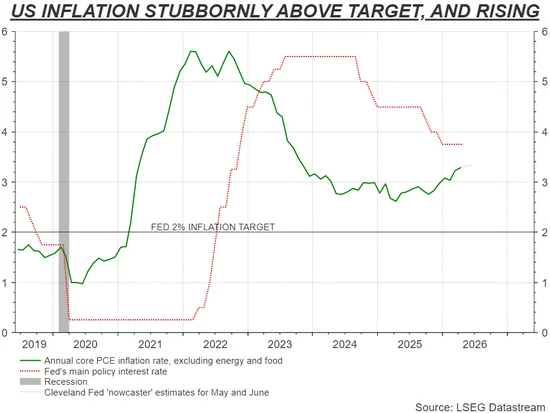
The surprising growth in AI investment and the energy price surge from the three-month Iran war have pushed inflation well above target. Combined with uncertainty within the FOMC, futures market sentiment has turned fearful, expecting the Fed's next rate hike could come before year-end.
In recent months, one of the few remaining arguments for doves was that the labor market could show cracks, possibly exacerbated by AI-related layoffs or energy-related production cuts. But there is little sign of that.
Instead, signs point to a strong, even improving, job market. A large jump in job openings in April and better-than-expected private payrolls of 122,000 in May point to this. The May nonfarm payrolls report, due Friday, will test this trend.
The Fed won't hike this month, but may plant seeds for a hike.
Besides any signals from Warsh's press conference, markets will also closely watch whether the Fed's previous statement hinting at a future rate cut will be removed. At the last rate meeting, three governors voted to remove that language, and at least one recently dovish governor, Christopher Waller, has since joined them.
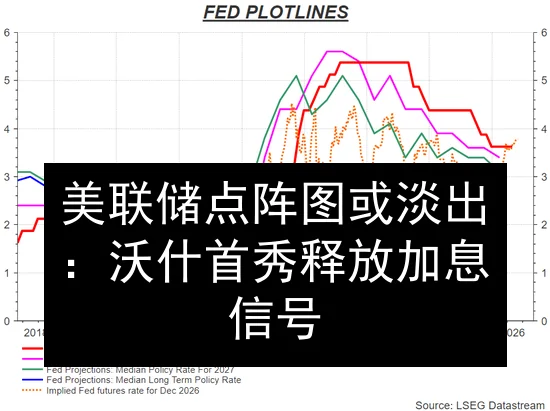
But the quarterly update of economic projections by Fed policymakers, including the "dot plot" of future rate paths, could become the focus.
The current median projection shows one more rate cut this year and another in 2027.
Comments from Fed officials since March suggest this year's rate cut expectation is likely to disappear from the dot plot. Whether there will be a rate cut in 2027, or even a rate hike as markets expect, might have the biggest impact on markets.
Chart: Changes in Fed dot plot forecasts
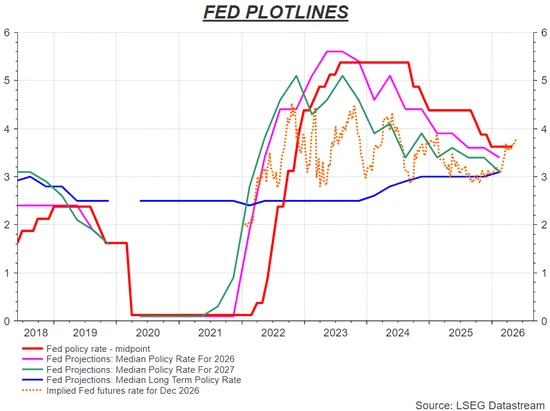
Of course, the irony is that Warsh's dislike of so-called forward guidance could well lead him to abolish the dot plot entirely. He would have support from many, including his predecessor Jay Powell, who remains a Fed governor.
If the prospect of further easing is removed, guidance is stopped, and markets are left to judge based on incoming data alone, rate markets could become more tense and volatile in the second half.
Of course, some investors still hold out hope that an eventual end to the Iran war will bring easing back on the table, or that the impact of energy tightening on real income will be enough to dampen household demand and thus control other prices.
But many see the tide as having turned.
Rate Cut Plans Halted
Tim Duy, economist at SGH Macro, says inflation consequences from rising energy prices now dominate growth effects, and with the Fed beginning to realize last December's rate cut was a mistake, the stance within the FOMC is shifting rapidly.
"Fed officials sense the growing risk of inappropriate monetary policy and are quickly turning hawkish to pave the way for a rate hike," he said.
"The old Warsh would have hiked early," he added, referring to Warsh's longstanding reputation as a monetary hawk. "Nobody knows which version of Warsh will show up."
Despite headwinds from energy, geopolitics, and tariffs, the economy and stock market continue to heat up with the AI investment boom, leading many to question why the Fed would even consider another easing move.
Warsh's rethinking and adjustment may deviate from many expectations.