On July 28, 2026, Hong Kong Exchanges and Clearing (HKEX) officially launched its new trading platform Orion 3.0, compressing order processing latency to microseconds and comprehensively optimizing settlement efficiency for T+0 round-trip trading and short-selling mechanisms. This upgrade is seen as a key move to consolidate HK's status as a global liquidity hub, especially in Asia-Pacific REITs, technology, financial sectors, where increased trading flexibility attracts large quant strategy capital inflows.
HK Stock Trading Mechanism: Unique Appeal of T+0 and Short-Selling
Unlike many major markets, HK stocks allow investors to buy and sell the same stock on the same trading day (T+0) with no restrictions on frequency. Paired with a mature short-selling mechanism, investors can flexibly employ various strategies: from high-frequency arbitrage to risk hedging, and even long-short two-way trading. Latest HKEX data shows that on July 28, short-selling turnover reached HKD 32 billion, accounting for 15.2% of total main board turnover, a year-to-date high. This ratio is notably higher than 11.8% in the same period of 2025, reflecting hedge funds and quant institutions' enthusiasm for executing complex strategies on the new platform.
A manager at a Singapore-based quant fund said, "Orion 3.0 reduces latency to under 10 microseconds, enabling T+0-based statistical arbitrage models to capture smaller spreads. Meanwhile, HKEX's short-selling mechanism is transparent with low stock borrowing costs, making it one of the few markets globally that can accommodate both high-frequency market-making and long-term hedging." Notably, Asia-Pacific REITs also benefit from this mechanism: improved liquidity of REITs and the popularization of options portfolio strategies make volatility hedging for REITs products in the HK stock market possible.
Global Investor Participation Hits New High
HKEX's Chief Executive revealed at a press conference that total net inflows from northbound and southbound funds exceeded RMB 80 billion in July, with overseas funds via Stock Connect accounting for 65%. International investors (especially European and American pension funds and Middle Eastern sovereign funds) are increasingly viewing HK stocks as a preferred choice for allocating Chinese assets, citing stability from the linked exchange rate system, risk management tools provided by T+0 and short-selling mechanisms, and dividend tax benefits under Stock Connect (individual investors investing in H-shares via Stock Connect enjoy tax relief).
"We observe that many long-term funds are adopting a 'core-satellite' strategy: core positions hold high-dividend REITs or state-owned blue chips, while satellite positions use T+0 short-selling to hedge against index downside risk," noted a UBS strategy analyst. "This flexible allocation is hard to achieve in A-shares or US stocks, as A-shares are T+1 and US stocks' T+0 is limited by account type (cash accounts require settlement)." The rise in quant trading share confirms this: HKEX data shows quant trading's share of main board turnover rose from 18% in 2024 to 26% in July 2026.
Industry Leaders and New Economy Companies Accelerate Aggregation
HKEX's upgrade further catalyzes listing enthusiasm among quality companies. Since 2026, 12 biotech firms and 8 AI companies have chosen Hong Kong as their primary listing venue, including unicorns with market caps exceeding HKD 100 billion. These companies generally have dispersed ownership structures and high turnover rates, naturally requiring efficient T+0 mechanisms to meet institutional investors' trading needs. For example, recently listed "Xinghui Biotech" saw a first-day turnover rate of 35%, with short-selling accounting for 12% of turnover, indicating active long-short competition.
Additionally, HKEX is considering relaxing short-selling restrictions for REITs. Currently, short-selling some REITs products requires pre-borrowing stocks, but the new platform may introduce a "fast stock borrowing" function to further reduce hedging costs. This move will attract more global REIT funds to include HK REITs in their core portfolios, as their dividend yields (average 5.8% for Singapore and HK REITs) far exceed similar products in the US and Europe (around 3.5%) with stronger liquidity hedging capability.
Risk and Regulatory Balance
The increased trading flexibility also attracts regulatory attention. The Hong Kong Securities and Futures Commission recently strengthened risk monitoring for high-frequency trading, lowering the short-selling reporting threshold from 0.5% to 0.3% of turnover, and introducing a "circuit breaker mechanism" to prevent extreme volatility. HKEX emphasizes that Orion 3.0 has built-in real-time risk control modules that verify margin and position limits before each trade, ensuring T+0 and short-selling mechanisms operate within safe boundaries.
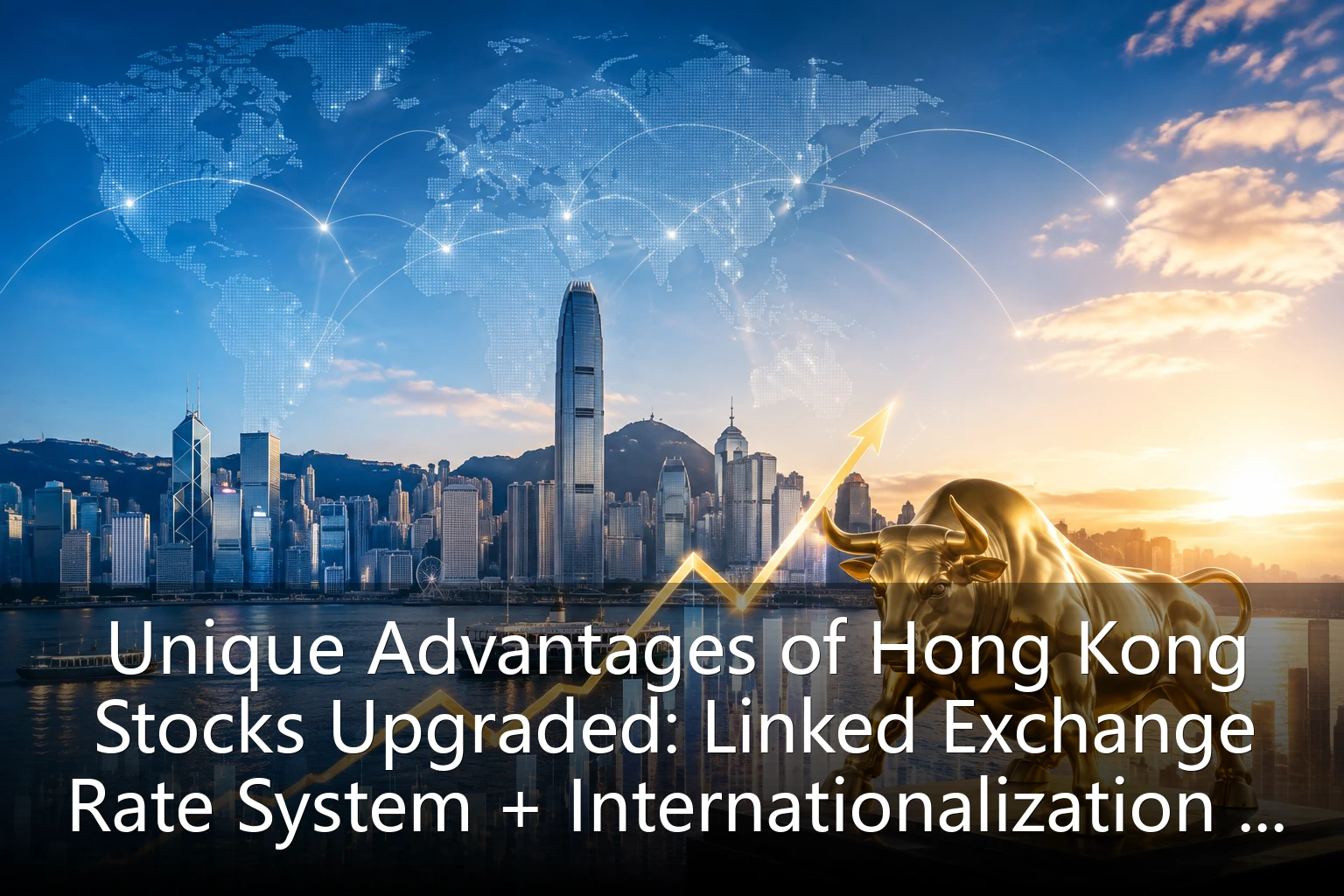
Overall, supported by the stability of the linked exchange rate system, market depth, and flexible trading mechanisms, HK stocks' unique advantages are attracting more global capital. The influx of quant funds, active REITs products, and aggregation of new economy companies collectively outline a new landscape for HK as an Asia-Pacific capital hub. For investors, understanding and effectively utilizing T+0 and short-selling tools may become key to achieving excess returns in the HK stock market.